
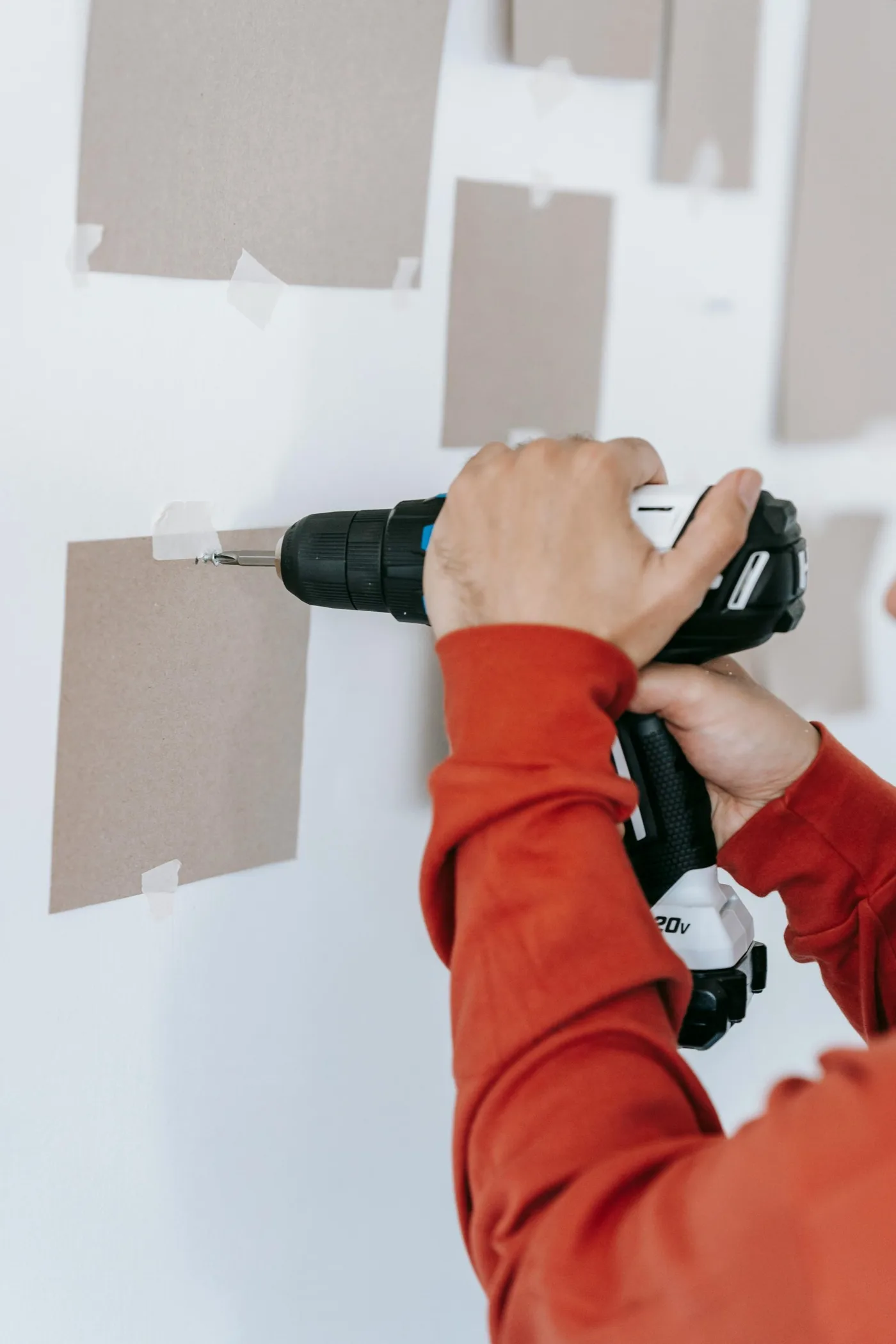
Drilling into walls is one of the most common questions London renters ask — especially in modern new-build flats where walls feel unpredictable and landlords have strict rules. Whether you’re trying to mount a TV, hang shelves, or put up a curtain pole, the big question is the same: are you actually allowed to drill?
Here’s a clear, simple guide based on typical London tenancy agreements and what most landlords expect in 2025.
Are Tenants Allowed to Drill Holes in a London Rental?
The short answer: Usually no — unless you get the landlord’s permission first.
Most London tenancy agreements classify drilling as making alterations. Even small holes from curtain poles, shelves, or TV brackets can count as “damage” if not repaired properly.
Most landlords expect:
- No drilling without written permission
- Any holes made must be filled, sanded, and repainted when you move out
- Heavy items (TVs, cabinets) require specific approval
Some landlords will say yes, some will say no — but almost all want you to ask.
Why Landlords Are Strict About Drilling
London rentals (especially new-builds) often have:
- Plasterboard walls that damage easily
- Reinforced concrete that requires special tools
- Dot-and-dab walls that hide pipes and cables
- Fire safety rules in certain buildings
Landlords worry that:
- Walls may crack or crumble
- Drilling could hit electrical lines
- Fixings may rip out under load
- Repairs may be noticeable during inspections
This is why they want control over what goes into their walls.
What Your Tenancy Agreement Usually Says
In most London AST (Assured Shorthold Tenancy) agreements, drilling falls under:
- “Alterations or additions to the property”
- “Causing damage to walls or surfaces”
- “Installing fixtures without permission”
This includes:
- Curtain poles
- Shelves
- TV brackets
- Mirrors
- Heavy wall art
Even if you think it’s small, the landlord may not.
Do You Always Need Written Permission?
In 2025, most landlords expect written permission (email is fine) before drilling.
Landlords may approve if:
- You describe the items you want to install
- You confirm you will repair the wall on move-out
- You show that a professional handyman will do the job
- The building management allows drilling (some don’t)
Landlords may refuse if:
- Walls are fragile
- It’s a furnished apartment
- The item is heavy or needs strong anchors
- The flat is newly renovated
Always ask — never assume.
What If You Drill Without Permission?
Landlords can charge you deductions from your deposit, usually for:
- Repairing holes
- Repainting the entire wall (common practice)
- Fixing damaged plasterboard
- Addressing unsafe installations
Typical deductions range from £50–£300+ depending on damage and repainting needs.
Some landlords repaint whole rooms if the colour match is off.
Safe Alternatives If the Landlord Says No
If drilling isn’t allowed, you still have options:
- Adhesive hooks (25kg+ heavy-duty options available)
- No-drill curtain pole brackets
- Tension poles for lightweight curtains
- Freestanding shelves instead of wall-mounted
- Command strips for small framed art
These are popular in London rentals and keep your deposit safe.
When Drilling Is Usually Allowed
While every landlord is different, drilling is often allowed when:
- The item is essential (e.g., curtain poles not provided)
- The building walls are concrete or brick
- The tenant agrees to full repair on move-out
- Professional installation is used
- The landlord trusts the tenant’s maintenance standards
Good communication usually results in a yes.
Final Advice for London Renters
If you want to drill into walls in a rented flat, here’s the best approach:
- Ask your landlord in writing
- Explain the work clearly
- Use a professional handyman
- Agree to fill and repaint holes later
- Keep all emails as proof
This protects your deposit and keeps your landlord relationship smooth.